Chugoku
Chūgoku (Western Honshū)
Overview & Character
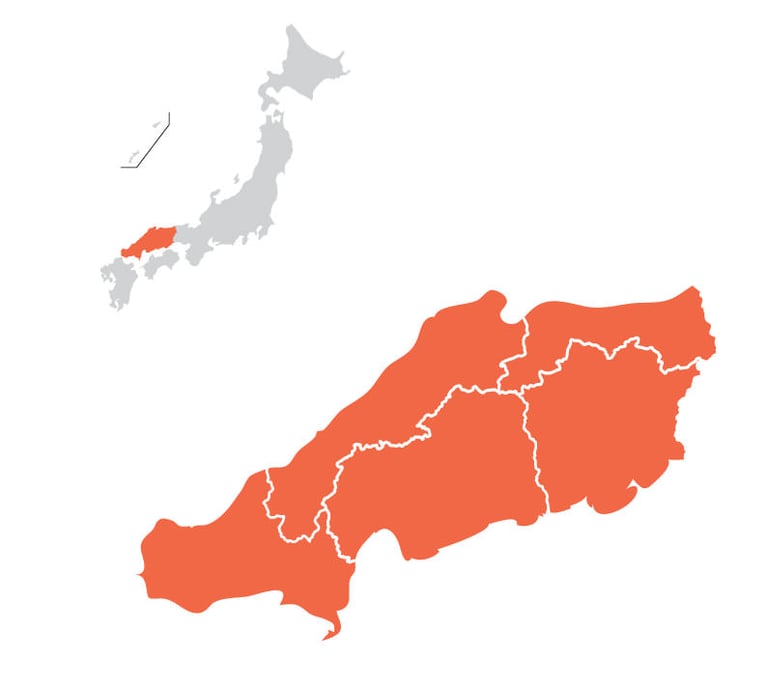
Chūgoku is the westernmost substantial region of Honshū. It is often divided into two subregions: the more industrialized Sanyō (along the Seto Inland Sea) and the more rustic, rural San’in (facing the Sea of Japan). The region blends history (temples, castles), natural beauty (cliffs, islands, coasts), and a laid-back coastal lifestyle.
The Chugoku region, located in western Honshu, blends powerful history with stunning natural beauty. From Hiroshima’s moving Peace Memorial to the floating Torii of Miyajima, from ancient shrines in Shimane to Tottori’s vast sand dunes, Chugoku is a land of contrasts. Visitors can enjoy castles, gardens, sacred sites, and rugged coastlines while experiencing warm local hospitality.
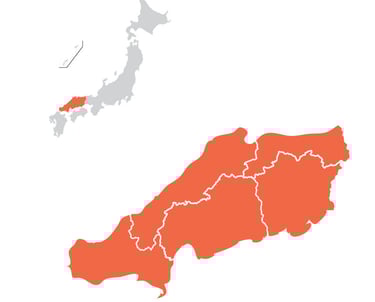
Hiroshima
Yamaguchi
Shimane
Tottori
Okayama
Why Visit Chugoku?
Chugoku captures Japan’s spirit of resilience, tradition, and natural wonder. It’s a region where sacred shrines, historic towns, dramatic coastlines, and heartfelt cuisine combine to create experiences both profound and unforgettable.
Food & Drink
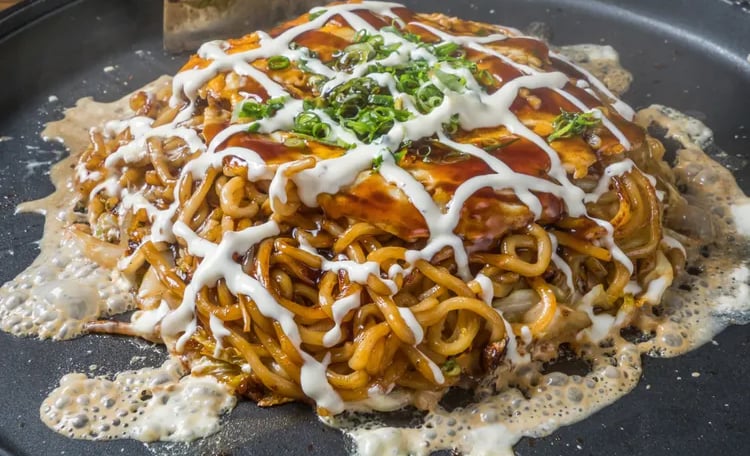
Chugoku offers a feast of regional specialties: Hiroshima-style okonomiyaki, Okayama peaches, Shimane’s shijimi clam dishes, Tottori crab and pears, and Yamaguchi’s kawara soba. The Seto Inland Sea also provides abundant fresh seafood.
Highlights & Experiences in Chugoku
Walk through Hiroshima’s Peace Park and visit Miyajima’s floating shrine.
Stroll through Korakuen Garden in Okayama and the Kurashiki Bikan district.
Visit Izumo Taisha and Matsue Castle in Shimane.
Experience the Tottori Sand Dunes and hike Mount Daisen.
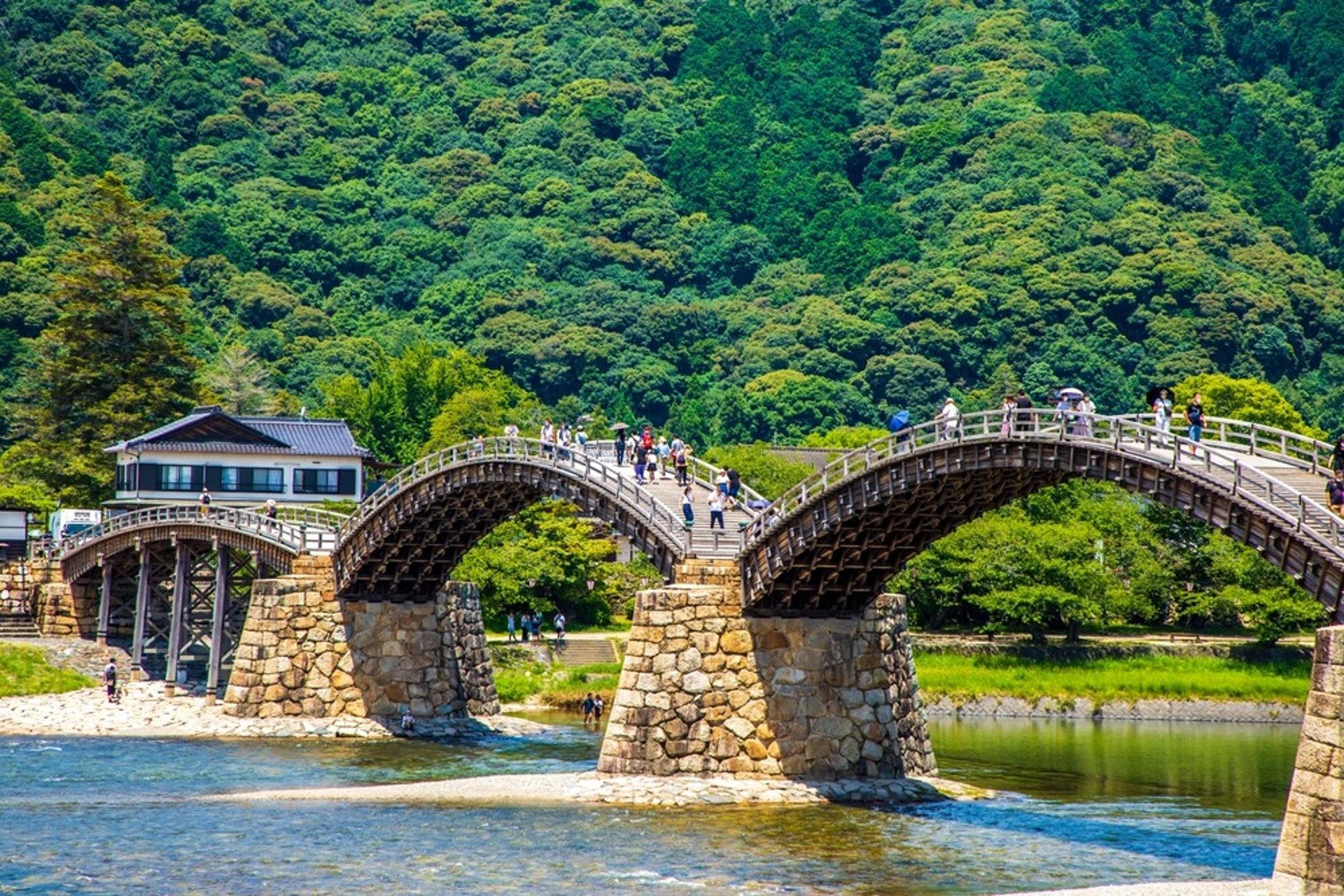
Cross the Kintaikyo Bridge in Yamaguchi and explore samurai heritage in Hagi.
Yamaguchi
Yamaguchi, at Honshu’s western tip, combines history and coastal beauty. Hagi is a well-preserved samurai town central to Japan’s Meiji Restoration. The iconic Kintaikyo Bridge in Iwakuni spans the Nishiki River with graceful wooden arches. Yamaguchi city is nicknamed the “Kyoto of the West” for its temples, while Akiyoshido Cave and Akiyoshidai Plateau offer unique limestone landscapes. Kawara soba (buckwheat noodles served on a hot tile) is a famous dish.
Tottori
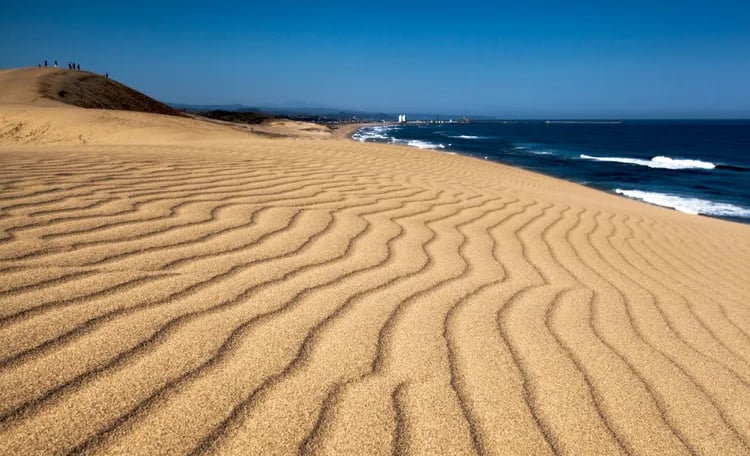
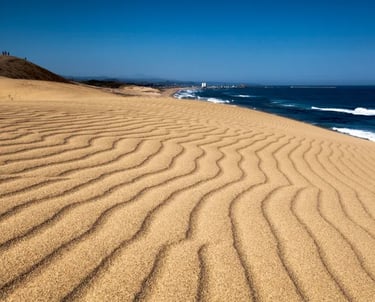
Japan’s least populous prefecture, Tottori is famous for its Tottori Sand Dunes, the largest in Japan, where visitors can try camel rides, sandboarding, or simply admire the vast desert-like landscape. Tottori also offers Mount Daisen, a sacred peak for hiking and skiing, and the Mizuki Shigeru Road in Sakaiminato, dedicated to the beloved manga artist of “GeGeGe no Kitaro.” Fresh crab and pears are local specialties.
Shimane
Shimane is steeped in myth and legend, home to Izumo Taisha, one of Japan’s most ancient and sacred Shinto shrines. Matsue, a castle town, offers samurai history and views of Lake Shinji, known for sunsets and shijimi clams. The Iwami Ginzan Silver Mine, a UNESCO World Heritage site, tells the story of Japan’s silver trade. Shimane’s rugged Oki Islands also offer unique culture and dramatic coastal scenery.
Okayama
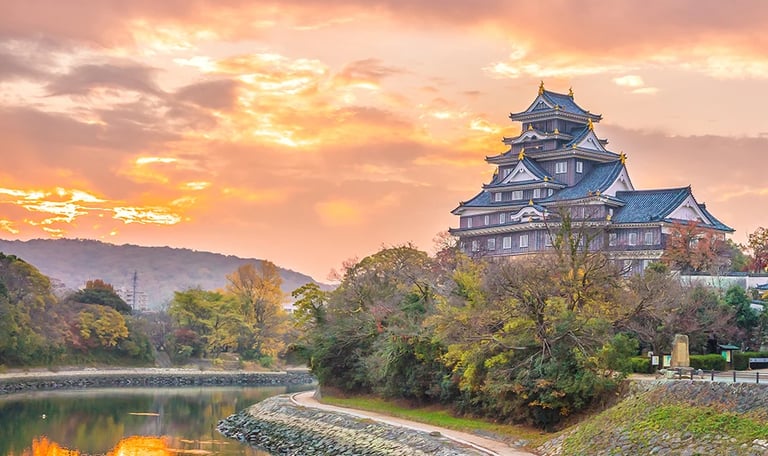
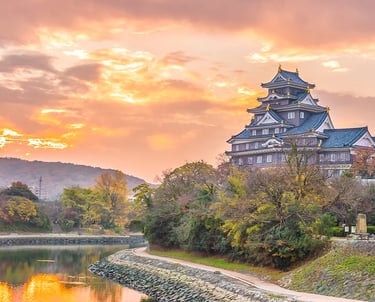
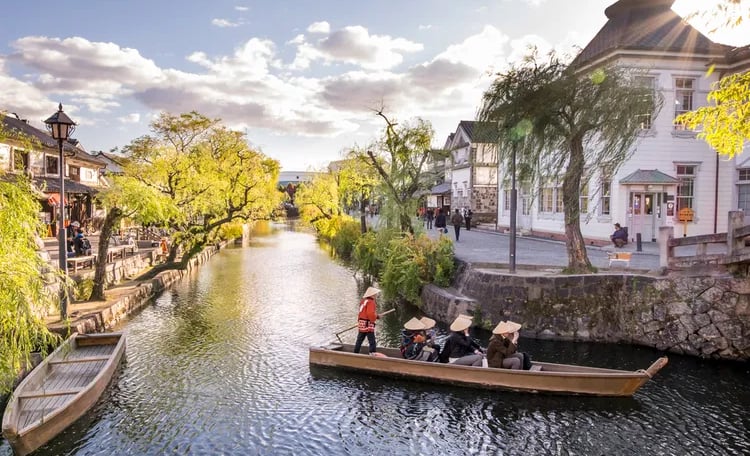
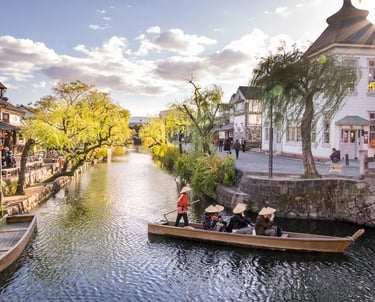
Okayama is famed for Korakuen Garden, one of Japan’s top three landscape gardens, and Okayama Castle, nicknamed the “Crow Castle” for its black exterior. The prefecture is also the gateway to the Seto Inland Sea islands and the art island of Naoshima. Kurashiki, with its preserved Edo-period merchant quarter and canal district, is a highlight of traditional charm. Okayama is also known for its juicy white peaches and muscat grapes
Prefectures of Chugoku
Hiroshima
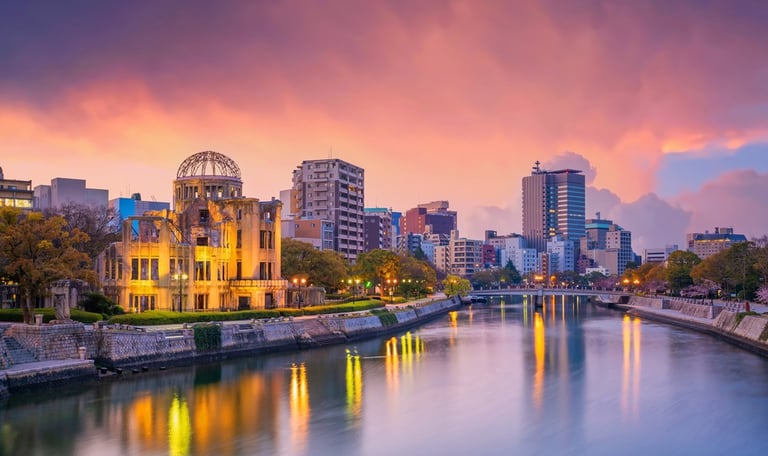
Hiroshima is a city of peace and resilience, best known for the Hiroshima Peace Memorial Park and Museum, which honor the victims of the atomic bombing. Beyond this history, Hiroshima is a lively modern city with delicious cuisine — especially okonomiyaki (savory pancakes). Just offshore lies Miyajima Island, home to the iconic “floating” Torii gate of Itsukushima Shrine, one of Japan’s most photographed sights.
Explore
Discover Japan's culture, beauty, and hidden gems.
Connect
Inquire
letsgo@gojapan.com.au

Go Japan provides travel consultancy services and connects clients with licensed Japanese travel operators.
DISCLAIMER:
PlEASE NOTE -