Shikoku
Shikoku Region
Overview and Character
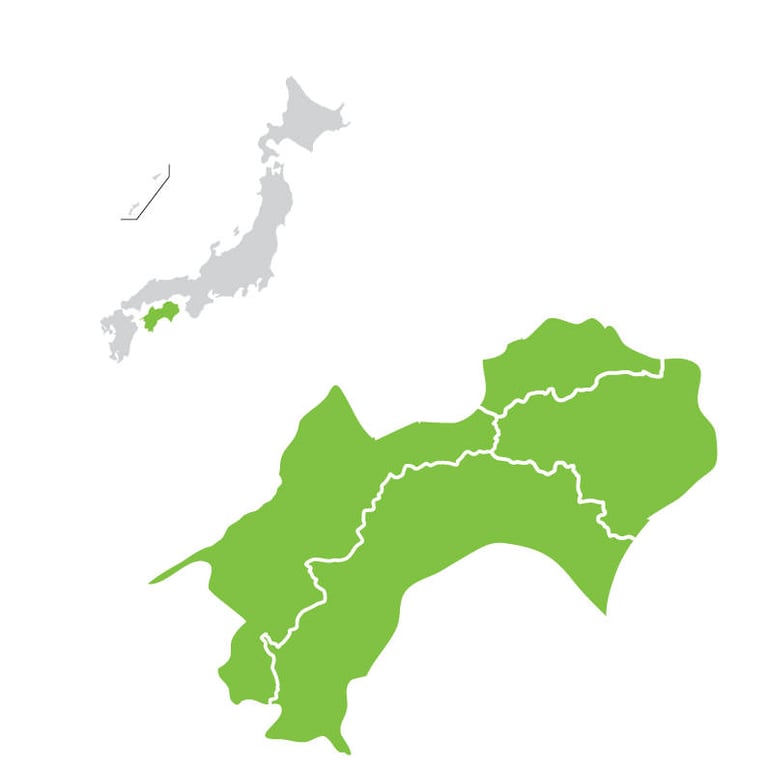
Shikoku, Japan’s smallest main island, is a land of lush mountains, serene rivers, dramatic valleys, and deep-rooted traditions. Famous for the 88-temple pilgrimage, historic towns, and spectacular natural scenery, Shikoku offers travelers a more peaceful and authentic Japanese experience. From scenic coastlines and hot springs to cultural festivals and regional cuisine, Shikoku combines adventure, spirituality, and relaxation in a compact yet diverse region.
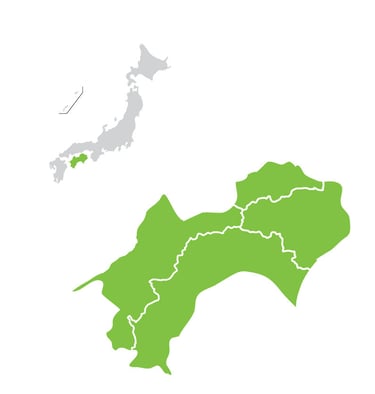
Ehime
Kochi
Kagawa
Tokushima

Areas of Shikoku
Ehime
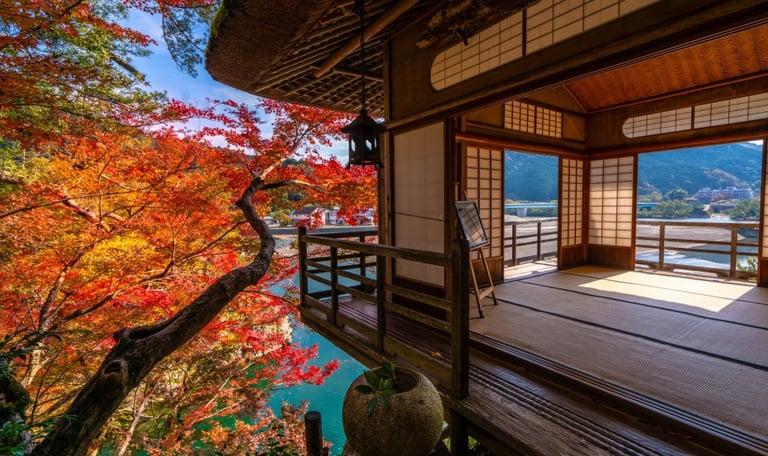
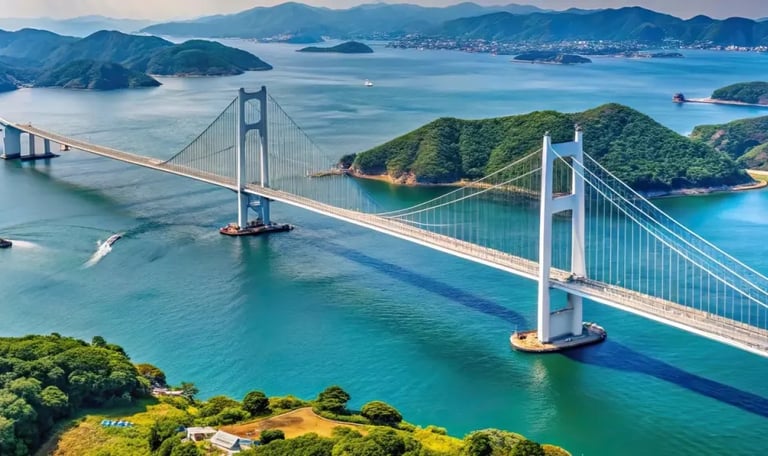
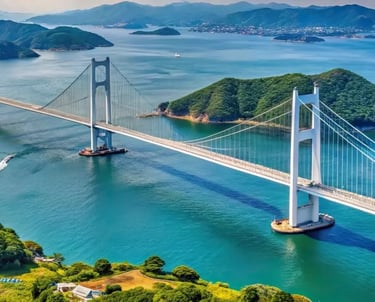
Ehime is known for castles, hot springs, citrus orchards, and traditional towns. Matsuyama features Matsuyama Castle, perched atop a hill with panoramic city views, and Dogo Onsen, one of Japan’s oldest hot spring baths. Ozu, often called “Little Kyoto of Iyo,” preserves historic streetscapes, riverside architecture, and samurai heritage, making it a cultural highlight. Ehime is also the Shikoku terminus of the Shimanami Kaido, one of Japan’s most famous cycling routes, connecting the islands of the Seto Inland Sea from Onomichi (Honshu) to Imabari. The route offers breathtaking ocean views, cycling-friendly infrastructure, and easy access to several temples on the 88-temple pilgrimage.
Tokushima
Tokushima is famous for the Awa Odori Festival, one of Japan’s largest traditional dance festivals, held every August. The prefecture also offers scenic river valleys, mountain landscapes, and coastal views. The Naruto Whirlpools, visible from the Ōnaruto Bridge, are a natural phenomenon attracting visitors from across Japan. The dramatic Iya Valley provides stunning gorges, vine bridges, and outdoor adventure opportunities for hiking, kayaking, and photography.
Kagawa
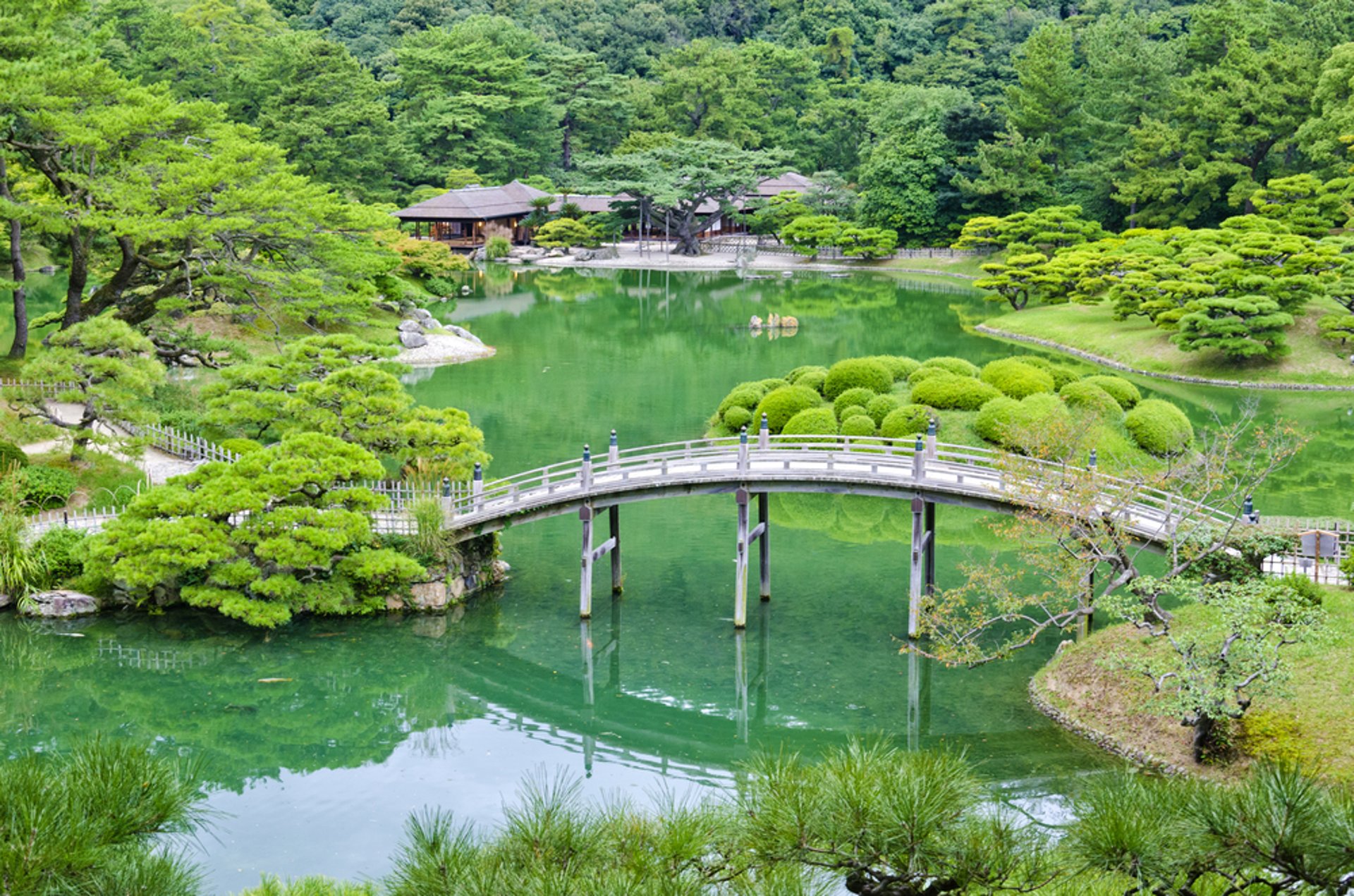
Kagawa, Japan’s smallest prefecture, is renowned for its Sanuki udon noodles. Takamatsu, the capital, features Ritsurin Garden, one of Japan’s most celebrated landscaped gardens, and a bustling port area. Naoshima Island, accessible from Kagawa, is world-famous for contemporary art museums, outdoor sculptures, and innovative architecture. The prefecture also provides a starting point for exploring nearby islands and coastal cycling routes.
Kochi
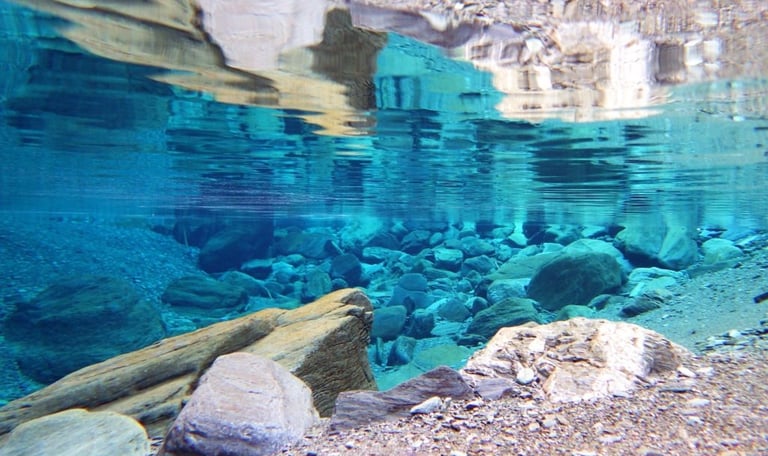
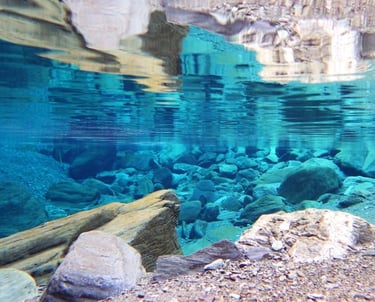
Kochi offers dramatic Pacific coastlines, lush mountains, and a relaxed atmosphere. Kochi city is home to Kochi Castle and the vibrant Hirome Market, famous for fresh seafood and local delicacies. Shimanto River, Japan’s last pristine river, provides kayaking, fishing, and cycling experiences. Cape Ashizuri offers breathtaking ocean vistas, while mountain trails and portions of the 88-temple pilgrimage provide unforgettable experiences for hikers and spiritual travelers.
Highlights & Experiences in Shikoku
Walk or cycle parts of the 88-temple Shikoku Pilgrimage, including routes along the Shimanami Kaido.
Cycle across the Shimanami Kaido for incredible island and sea views.
Sample Sanuki udon in Kagawa and explore Ritsurin Garden.
Witness the Awa Odori Festival in Tokushima.
Explore the dramatic Iya Valley and its vine bridges.
Visit Ozu, Matsuyama Castle, and Dogo Onsen in Ehime.
Paddle along Shimanto River and visit Cape Ashizuri in Kochi.
Discover traditional streetscapes, local crafts, and hidden temples across the island.
Why Visit Shikoku?
Shikoku offers a serene and authentic Japanese experience. With mountains, rivers, coastlines, pilgrimage routes, historic towns, and cultural festivals, the island provides adventure, relaxation, and spiritual journeys. Whether cycling the Shimanami Kaido, exploring temples, kayaking along the Shimanto River, or enjoying local cuisine, Shikoku delivers a memorable and immersive visit away from the crowds.
Food & Drink
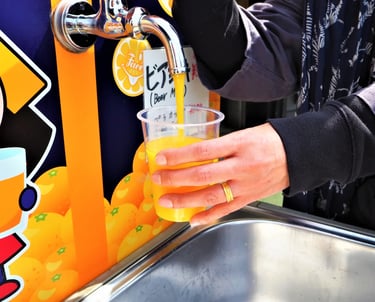
Shikoku’s cuisine emphasizes fresh, local ingredients. Kagawa is famous for Sanuki udon; Kochi for katsuo no tataki (seared bonito) and fresh seafood; Ehime for mikan (citrus fruits) and local coastal fish; Tokushima for indigo vegetables and river fish. Regional sake, shochu, and citrus-based drinks reflect Shikoku’s agricultural richness and culinary traditions.
Explore
Discover Japan's culture, beauty, and hidden gems.
Connect
Inquire
letsgo@gojapan.com.au

Go Japan provides travel consultancy services and connects clients with licensed Japanese travel operators.
DISCLAIMER:
PlEASE NOTE -