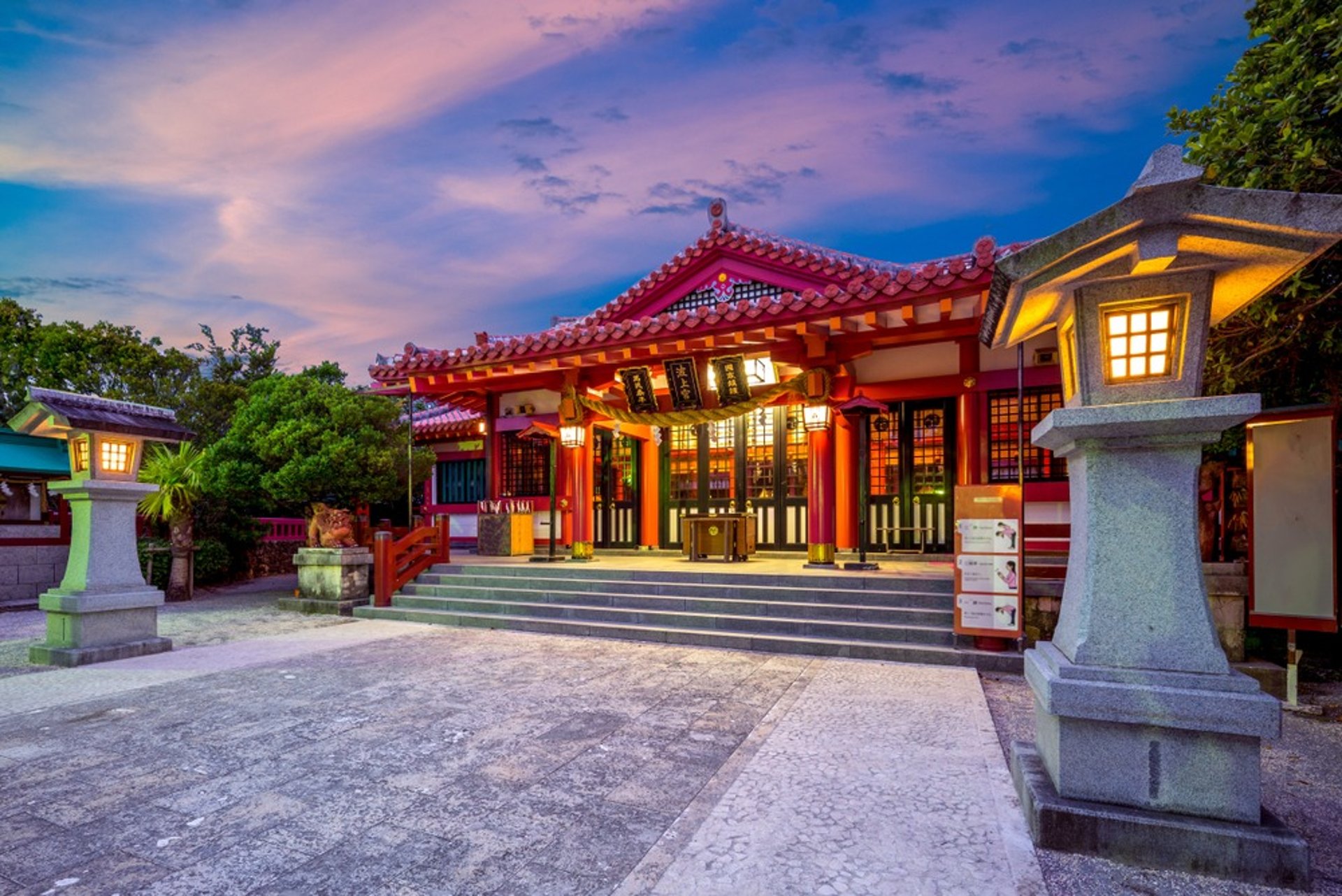
Okinawa
Okinawa (沖縄県)
Japan’s Tropical Islands of Blue Seas, Ancient Kingdoms & Living Culture
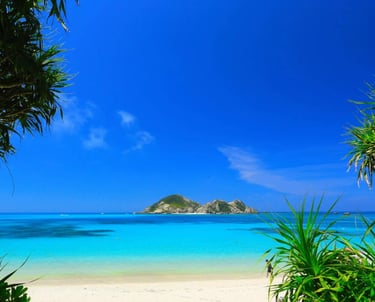
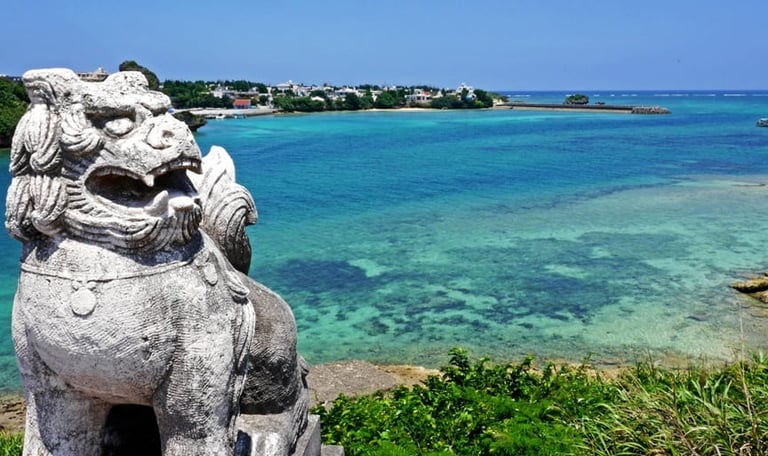
Stretching across the turquoise waters of the East China Sea and the Pacific Ocean, Okinawa Prefecture feels like a world apart from mainland Japan. With more than 160 islands, each boasting white sandy beaches, coral reefs, and subtropical forests, Okinawa offers a unique blend of natural beauty, history, and culture that is impossible to find anywhere else in the country.
Once the independent Ryukyu Kingdom, Okinawa developed its own language, traditions, and culinary culture through centuries of trade with China, Southeast Asia, and Japan. Today, its islands retain this vibrant identity, offering visitors a rich mix of historical sites, local cuisine, lively festivals, and unforgettable scenery. With year-round warmth and a laid-back atmosphere, Okinawa is perfect for travellers seeking both adventure and relaxation.
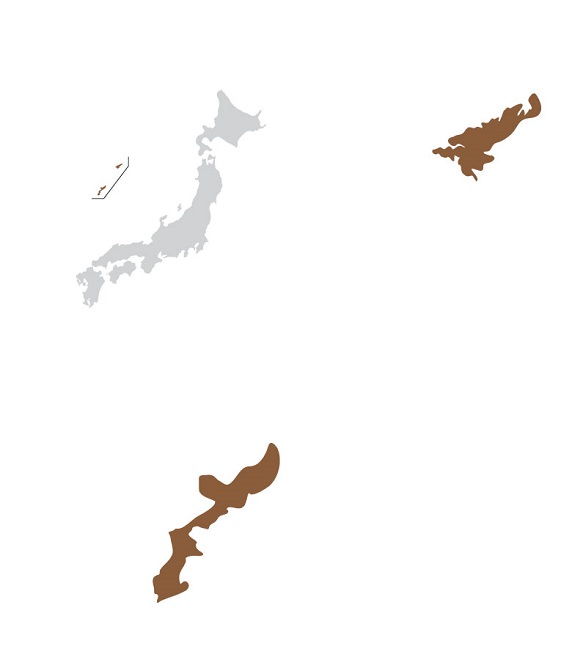
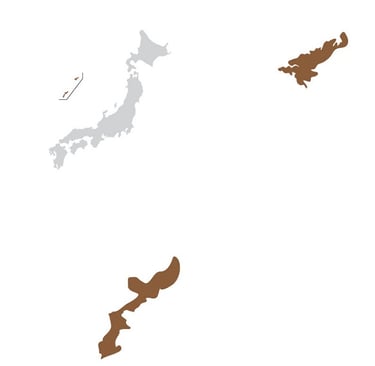
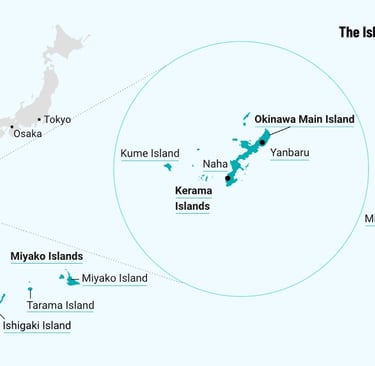
Regions of Okinawa
Okinawa Main Island (Okinawa Hontō, 本島)
Okinawa Hontō is the prefecture’s largest and most accessible island, home to Naha, the prefectural capital, and a rich combination of urban energy, history, and tropical scenery. Here, modern convenience meets Ryukyu heritage.
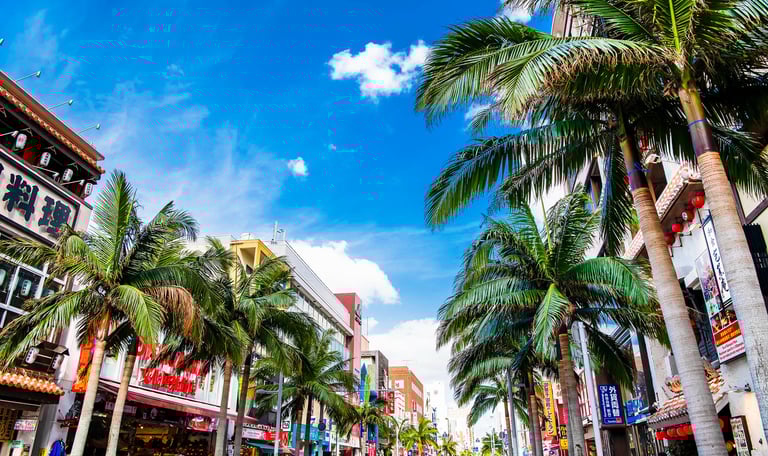
Naha City: The starting point for most travellers, Naha offers Kokusai Street with markets, craft shops, and street food, alongside historical sites such as Shuri Castle, the former royal palace of the Ryukyu Kingdom. The city is also the hub for flights and ferries to other islands.
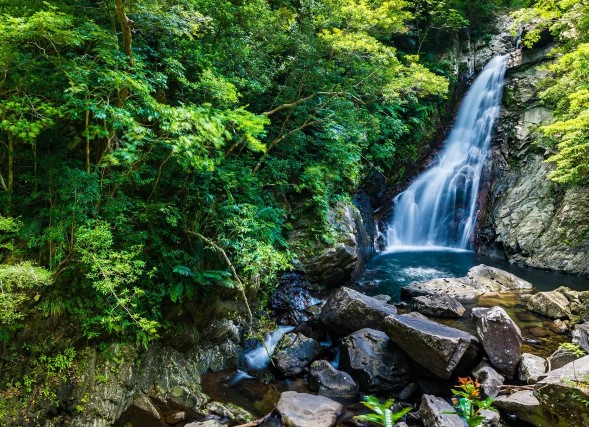
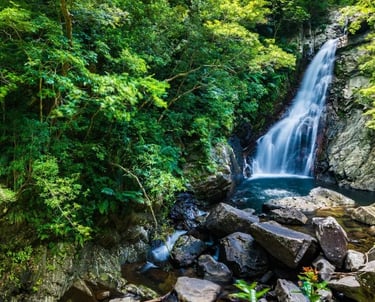
Northern Okinawa (Yanbaru region): This area is a paradise for nature lovers. Dense subtropical forests, hiking trails, waterfalls, and endemic wildlife provide adventure and tranquility. Hiji Waterfall and Cape Hedo offer breathtaking scenery.
Beaches & Coastal Areas: From Manza Beach to Cape Maeda, the main island offers some of Okinawa’s most accessible coral beaches, ideal for swimming, diving, and relaxing.
Cultural Experiences: Visitors can experience Ryukyu pottery in Yomitan, traditional weaving in northern villages, and vibrant festivals throughout the year.
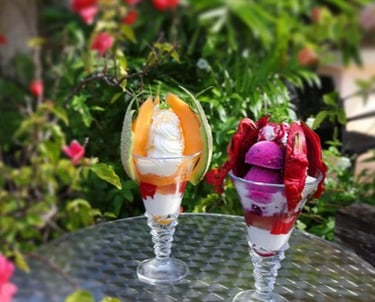
Nago Pineapple Park – A fun, family-friendly stop to tour fragrant pineapple fields, taste fresh fruit, and enjoy pineapple-themed desserts.
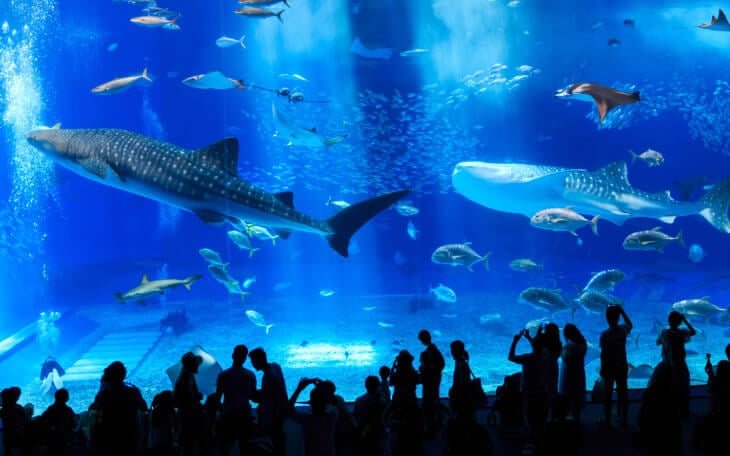
Okinawa Churaumi Aquarium & Northern Coastal Cliffs – One of Japan’s largest aquariums, home to whale sharks and vibrant coral exhibits, paired with dramatic northern cliffs and scenic beaches.
The main island is also perfect for day trips to nearby islands like the Kerama group or Okinawa World, where travellers can explore the Gyokusendo Cave, traditional craft workshops, and cultural performances.
Miyako Islands (宮古諸島)
The Miyako Islands, including Miyako-jima, Ikema, Irabu, and Shimoji, are renowned for their pristine beaches, turquoise waters, and coral reefs. Often quieter than Okinawa Hontō, they are ideal for travellers seeking tropical tranquillity and adventure in nature.
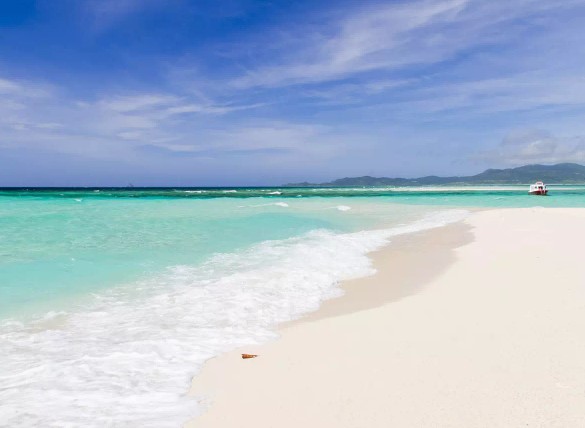
Beaches & Diving: Yonaha Maehama Beach is considered one of Japan’s most stunning beaches, with powdery white sand and calm, clear waters. The islands are famous for snorkelling and scuba diving, with abundant coral formations and marine life.
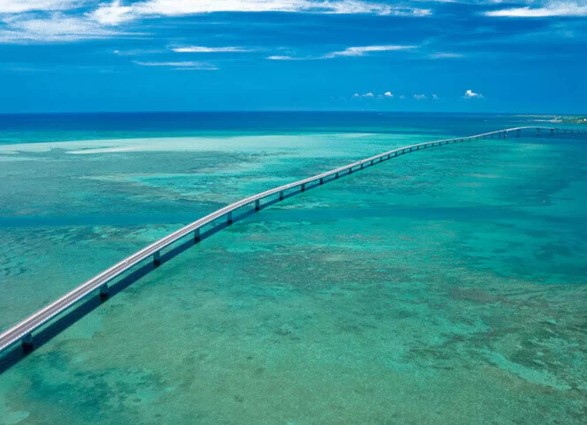
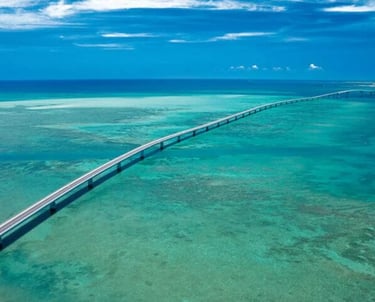
Bridges & Scenery: The Irabu-Ohashi Bridge connects Miyako-jima and Irabu-jima, offering panoramic views of the turquoise ocean below.
Cultural Experiences: Traditional Miyako dances, local pottery, and small island festivals reflect the unique identity of this island group.
Outdoor Activities: Cycling along coastal roads, kayaking, and boat tours to nearby uninhabited islands make the Miyako Islands a nature-lover’s playground.
The Miyako Islands provide a perfect blend of relaxation and adventure, away from the crowds of the main island.
Ishigaki & Yaeyama Islands (石垣・八重山諸島)
This island group, including Ishigaki, Taketomi, Iriomote, and Yonaguni, is Okinawa’s southernmost tropical paradise, famous for remote beaches, lush jungles, and world-class diving.
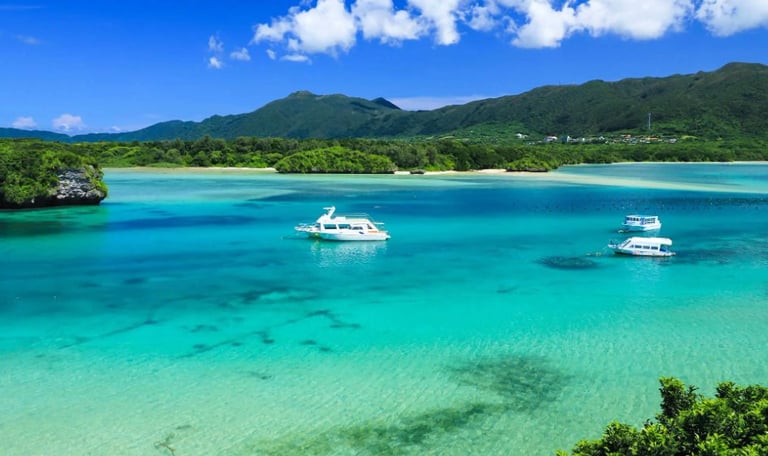
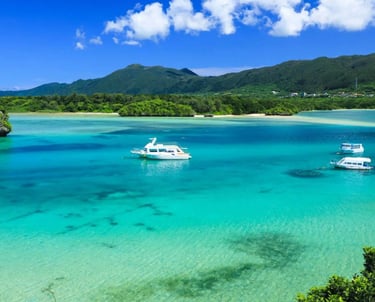
Ishigaki Island: The gateway to the Yaeyama Islands, Ishigaki offers lively markets, gourmet seafood, and easy access to Kabira Bay, known for its emerald waters and glass-bottom boat tours.
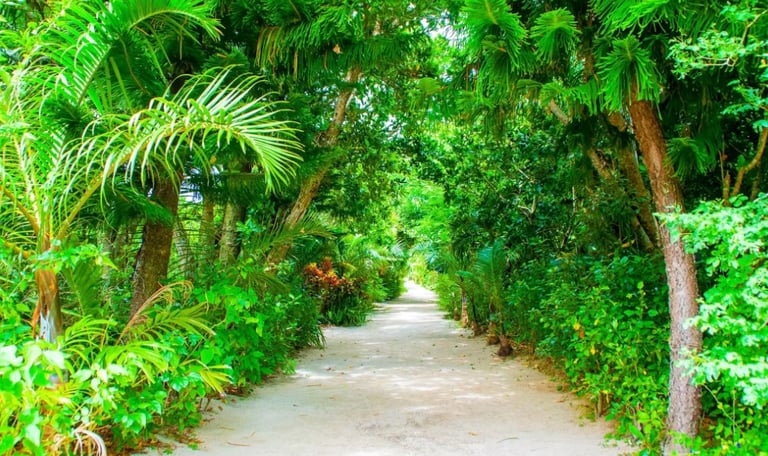
Iriomote Island: Often called the “mystical jungle island,” Iriomote is covered in mangrove forests, rivers, and waterfalls. Kayaking along the rivers and hiking to hidden waterfalls provide unique adventure experiences.
Taketomi Island: A preserved Ryukyu village with traditional red-tiled roofs, stone walls, and water buffalo carts. It’s a step back in time to experience Okinawa’s heritage.
Yonaguni Island: Famous for the mysterious Yonaguni Monument under the sea, this remote island attracts divers seeking one-of-a-kind underwater adventures.
The Yaeyama Islands are celebrated for nature, marine life, and tranquillity, making them perfect for honeymooners, photographers, and eco-tourists.
Kume & Kerama Islands (久米・慶良間諸島)
These smaller island groups are easily accessible from Okinawa Hontō and are famous for diving, beaches, and short getaway experiences.
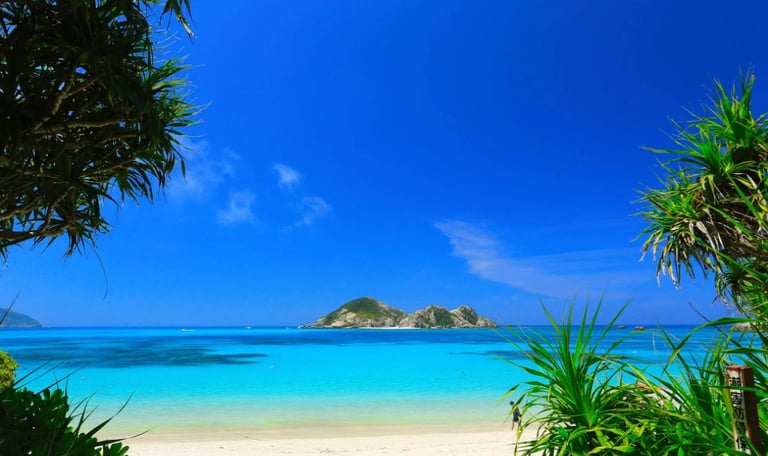
Kerama Islands: Just a short ferry ride from Naha, the Kerama Islands are celebrated for incredible coral reefs, crystal-clear waters, and abundant sea turtles. Popular islands include Tokashiki, Zamami, and Aka. Perfect for snorkelling, diving, and beach relaxation.
Kume Island: Less commercialised, Kume offers tranquil beaches, natural caves, and scenic cliffs. Tatami Rocks, a natural stone formation resembling tatami mats, is a highlight. Kume’s relaxed pace and local hospitality make it ideal for visitors seeking a peaceful retreat.
Outdoor Activities: Both island groups excel for kayaking, paddleboarding, scuba diving, and hiking. These islands are also great for short stays from Naha or as a base for exploring Okinawa’s marine biodiversity.
These islands are perfect for travellers looking to combine beach leisure with adventure, offering a true tropical escape within easy reach of Okinawa Hontō.
Top Destinations in Okinawa
Okinawa Main Island (Okinawa Hontō)
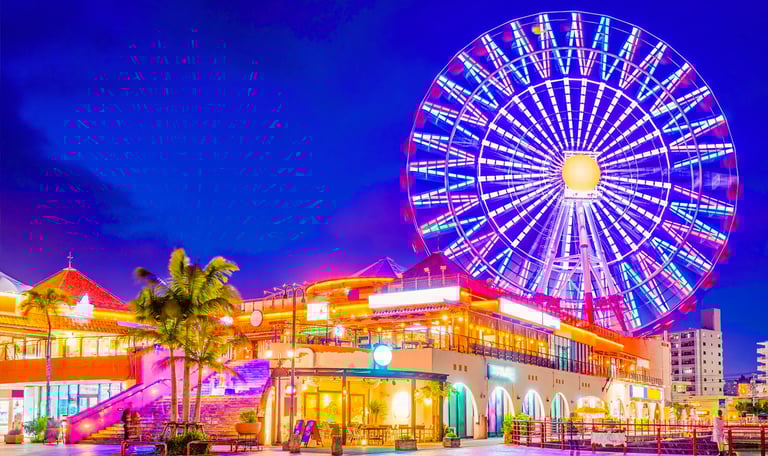
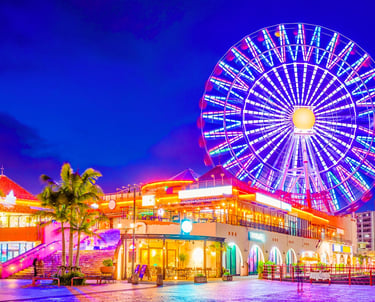
Okinawa Hontō combines history, modern convenience, and natural beauty. Naha and surrounding areas showcase Ryukyu heritage, bustling streets, and cultural festivals. Key destinations include Shurijo Castle, Kokusai-dori Street, Makishi Market, Nago Pineapple Park, America Village, and Churaumi Aquarium. The northern coast offers dramatic cliffs and secluded beaches, while the southern areas highlight traditional villages and serene landscapes.
Why Visit Okinawa?
Okinawa offers a tropical escape within Japan, combining natural beauty, outdoor adventure, cultural heritage, and warm hospitality. Visitors can enjoy pristine beaches, world-class diving, lush jungles, historical castles, and unique Ryukyu culture. Whether relaxing on powder-white sand, exploring vibrant coral reefs, or discovering ancient traditions, Okinawa provides a rich and memorable island experience unlike anywhere else in Japan.
Food & Culinary Specialties
Okinawa is renowned for its distinct culinary culture, shaped by subtropical ingredients, historical trade with China and Southeast Asia, and a local philosophy emphasizing healthy, flavorful food. Meals are communal and vibrant, ranging from street-side snacks to elaborate seafood dishes.
Local Specialties
Okinawa Soba
A hearty noodle soup featuring thick wheat noodles served in a rich pork or bonito-based broth, topped with slow-cooked pork belly, fish cakes, and green onions. Unlike traditional Japanese ramen, Okinawa soba has a lighter, homey flavor and is a beloved comfort food across the islands.
Taco Rice
A fun fusion dish born from U.S. military influences: seasoned taco beef served over rice, often topped with cheese, lettuce, and salsa. Widely available in cafes and casual eateries, taco rice is a convenient, tasty meal that captures Okinawa’s playful culinary identity.
Okinawa Through the Seasons
Winter (Dec–Feb) – Mild temperatures make island exploration comfortable, with quieter beaches, fewer crowds, and opportunities to enjoy winter seafood. Festivals are smaller, yet atmospheric, and snorkeling or diving is still possible in southern waters.
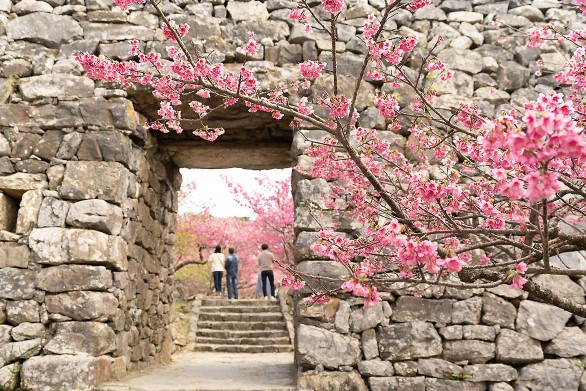
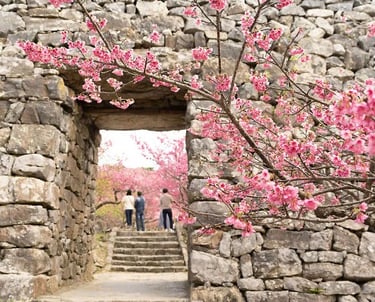
Spring (Mar–May) – Cherry blossoms appear across Okinawa Hontō, along with vibrant flowers like hibiscus and plumeria. Perfect for sightseeing, cultural events, and exploring gardens such as Daikozen-ji on the islands.
Summer (Jun–Aug) – Peak beach season with warm waters ideal for swimming, diving, and water sports. Summer festivals, such as Eisa dance performances, enliven streets and community spaces. Coastal drives, island hopping, and evening yatai-style food stalls make for immersive experiences.
Autumn (Sep–Nov) – Clear skies and gentle temperatures create perfect conditions for hiking, cycling, and visiting historical sites. It’s also harvest season for tropical fruits, providing fresh culinary delights across the islands.
Miyako Islands
Known for their powdery white sand beaches and turquoise waters, the Miyako Islands are perfect for relaxing, photography, and water sports. Yonaha Maehama Beach is a standout, complemented by scenic drives and quiet villages that allow visitors to experience authentic island life.
Ishigaki & Yaeyama Islands
A tropical paradise for snorkelers, divers, and nature lovers. Coral reefs, Iriomote’s mangroves, and hidden waterfalls provide adventure, while traditional villages, cultural performances, and remote beaches highlight local life.
Kume & Kerama Islands
These islands are ideal for those seeking quiet, history, and pristine landscapes. Kume and Taketomi showcase traditional Ryukyu architecture, cultural crafts, and unspoiled coastal scenery. Visitors can enjoy kayaking, beach walks, and immersive experiences in Ryukyu culture.
From Tokyo to Okinawa
✈️ Plane
Route:
Tokyo (Haneda or Narita) → Naha Airport (Okinawa Hontō)
Flight Time:
• ~2 hr 30 min direct
Transfer to City:
• Naha Airport → Naha City / Kokusai-dori Street (~15 min by monorail or taxi)
• Northern resorts, Onna Village, and central Okinawa accessible via bus or car rental (~40–90 min)
From Osaka to Okinawa
✈️ Plane
Route:
Osaka (Kansai International or Itami Airport) → Naha Airport
Flight Time:
• ~2 hr direct
Transfer to City:
• Naha Airport → Naha City / central attractions: 15–20 min by monorail or taxi
🚢 Island Hopping & Regional Access
Okinawa Prefecture encompasses hundreds of islands, so reaching remote destinations involves domestic flights or ferries from the main island (Okinawa Hontō):
Flights from Naha Airport:
Miyako Islands: ~50 min
Ishigaki / Yaeyama Islands: ~1 hr 25 min
Kume Island: ~35 min
Kerama Islands: ~25–40 min
Ferry Services:
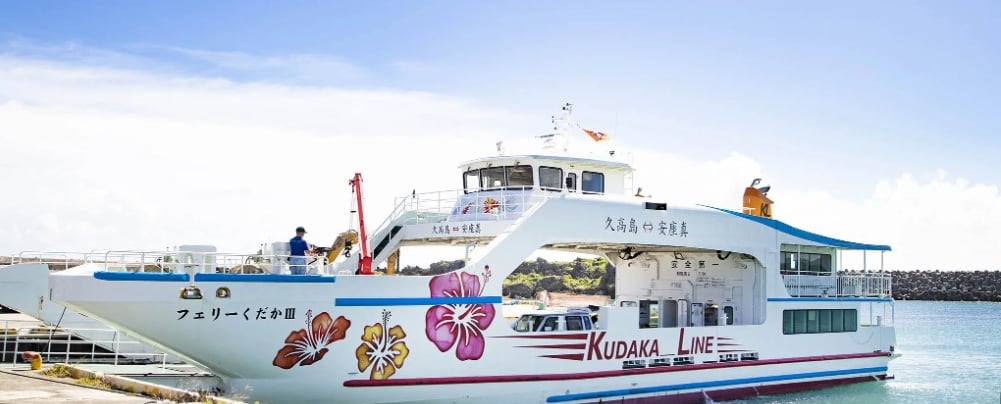
Naha → Kerama Islands (~1 hr)
Ishigaki → Taketomi / Iriomote (~30–60 min)
Kume Island → Okinawa Hontō (~2 hrs)
Accessing Okinawa
🚐 Local Transport on Okinawa Hontō
Bus Network: Extensive coverage connecting Naha with northern, central, and southern attractions, including Churaumi Aquarium and northern beaches.
Monorail: Naha City Monorail links Naha Airport to central Naha, Kokusai-dori, and adjacent districts.
Car Rentals: Highly recommended for exploring central and northern Okinawa, rural villages, and scenic coastal drives.
🎟️ Rail Pass & Travel Tips
While Okinawa does not have intercity trains like Honshu, travellers can combine flights with JR Pass or regional passes if connecting via Fukuoka or other mainland hubs:
Japan Rail Pass (Nationwide): Covers travel from Tokyo / Osaka to Fukuoka, allowing onward domestic flights to Okinawa.
Local Airlines & Island Passes: ANA, JAL, and Peach Aviation offer discounted multi-island passes for visitors planning multiple island stays.
💡 Travel Tip:
Most visitors combine a base in Naha or central Okinawa Hontō with day trips or short stays on Miyako, Ishigaki, Kerama, or Kume Islands.
Planning flights and ferries in advance ensures access to remote islands, especially during high season (spring cherry blossom, summer beach season, autumn festivals).


Rafute
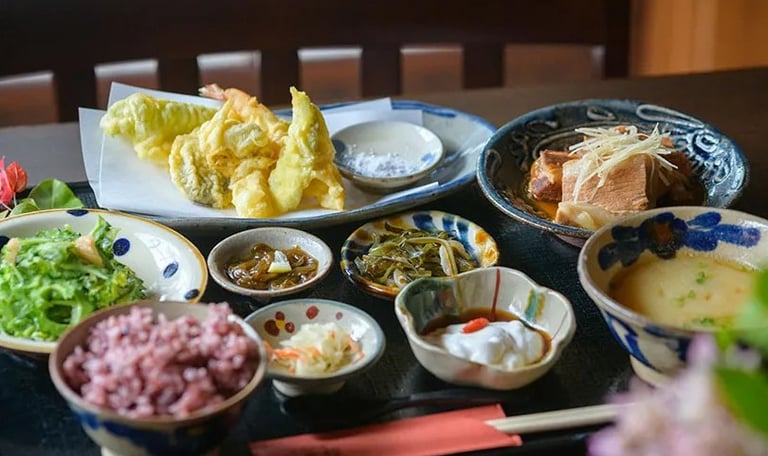
Simmered pork belly cooked slowly in soy sauce, brown sugar, and awamori (Okinawan distilled liquor). Tender, sweet, and savory, rafute is traditionally served in Okinawan home cooking but also featured in restaurants as a signature dish.
Seafood & Tropical Flavors
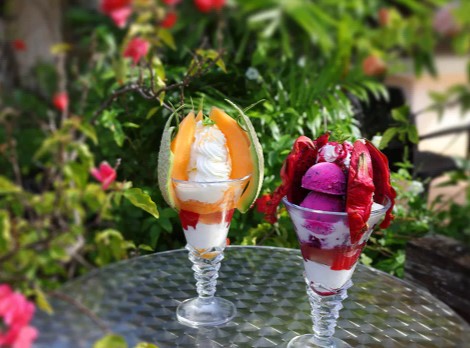
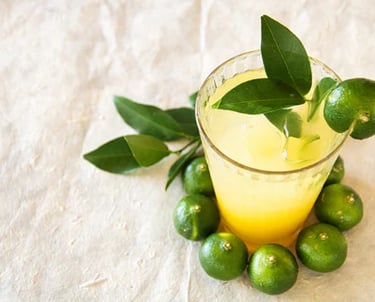
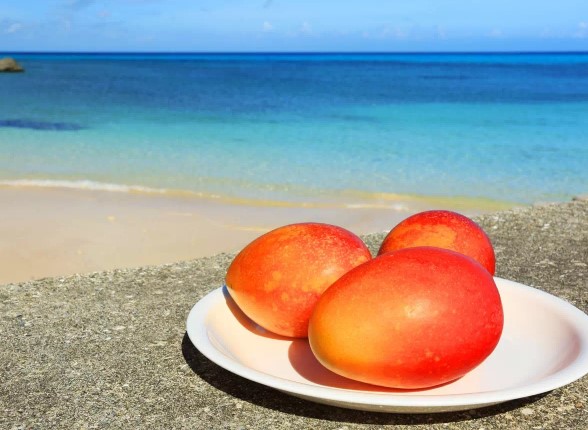
Okinawa’s waters provide an abundance of fresh seafood, including tuna, grouper, squid, and shellfish. Local dishes often highlight simple preparation, such as sashimi, grilled fish, or tempura. Tropical fruits like mango, papaya, and passionfruit are enjoyed in desserts, smoothies, and cocktails.
Blue Seal Ice Cream
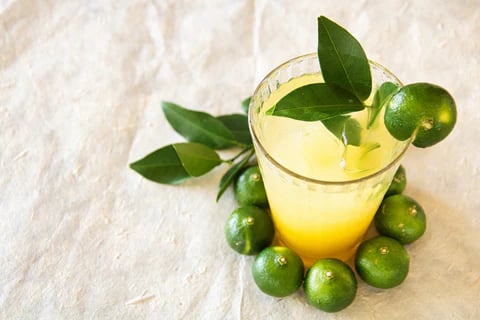
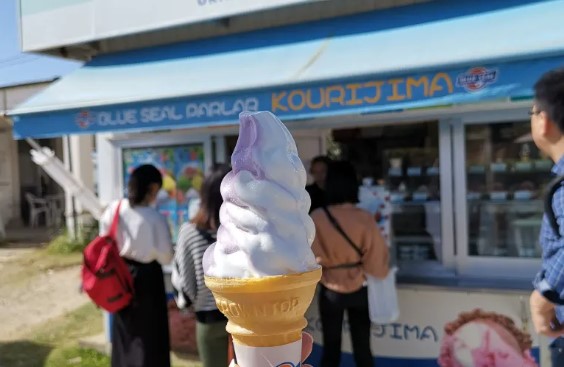
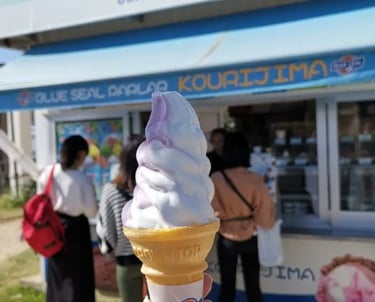
A beloved Okinawan treat with roots in American military history, Blue Seal Ice Cream offers unique tropical flavors like beni-imo (purple sweet potato), shiquasa (local citrus), and salt cookies. Ice cream shops are scattered across the islands, especially in Naha, Chatan, and the beaches of Miyako and Ishigaki.
Awamori & Local Drinks
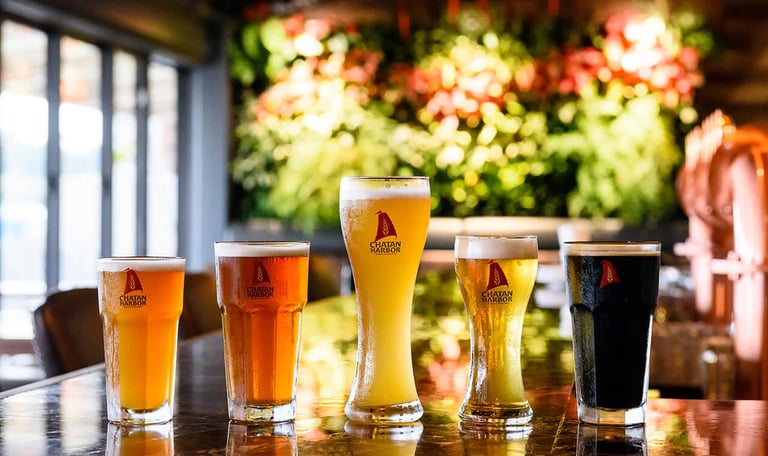
Awamori, Okinawa’s indigenous distilled liquor, is made from long-grain indica rice and aged in clay pots. It’s enjoyed straight, on the rocks, or in cocktails, and is an essential part of local celebrations. Tropical cocktails, craft beers, and fresh fruit juices complement Okinawa’s island dining scene, especially along beach resorts and lively nightlife areas in Naha and American Village.
Street Food & Markets
Kokusai-dori Street and Makishi Market in Naha are culinary hotspots for fresh seafood, tempura, Okinawa sweets, and small bites. Visitors can also enjoy seasonal fruits, Okinawa donuts, and yakitori from casual stands. Sampling street food is an excellent way to experience local flavors while strolling historic and cultural districts.
Yunangi & Ryukyu Cuisine
For a refined experience, traditional Ryukyu cuisine emphasizes seasonal ingredients, colorful presentation, and multiple small courses highlighting vegetables, seafood, and pork. These meals offer insight into Okinawa’s culinary history, once served to Ryukyu royalty.
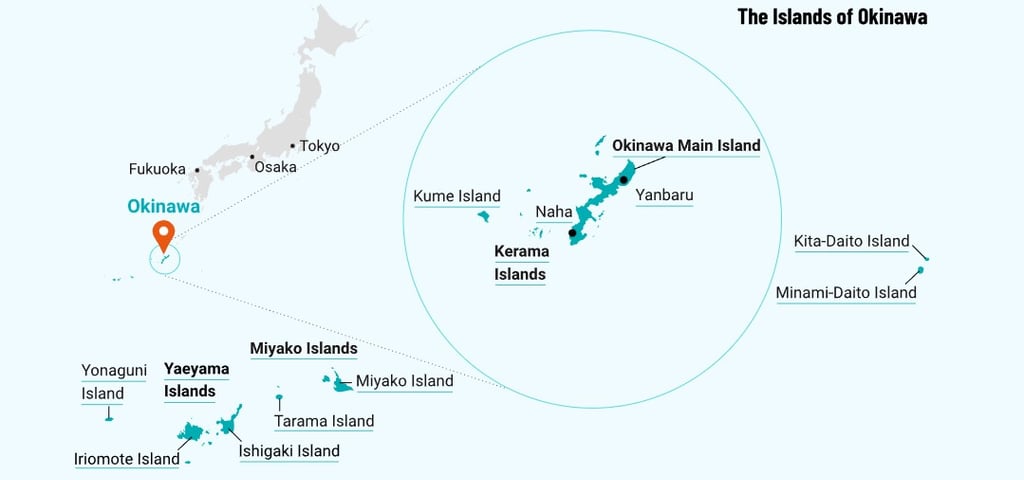
The Islands of Okinawa
Photos and Images are credited to their respective owners
© Japan National Tourism Organization (JNTO)
© 2021-2026 Okinawa Convention & Visitors Bureau. All rights reserved.
©Visit Okinawa Japan Official Okinawa Travel Guide
©Be Okinawa.jp Official Site
Explore
Discover Japan's culture, beauty, and hidden gems.
Connect
Inquire
letsgo@gojapan.com.au

Go Japan provides travel consultancy services and connects clients with licensed Japanese travel operators.
DISCLAIMER:
PlEASE NOTE -