Tohoku
Tohoku Region
Overview and Character
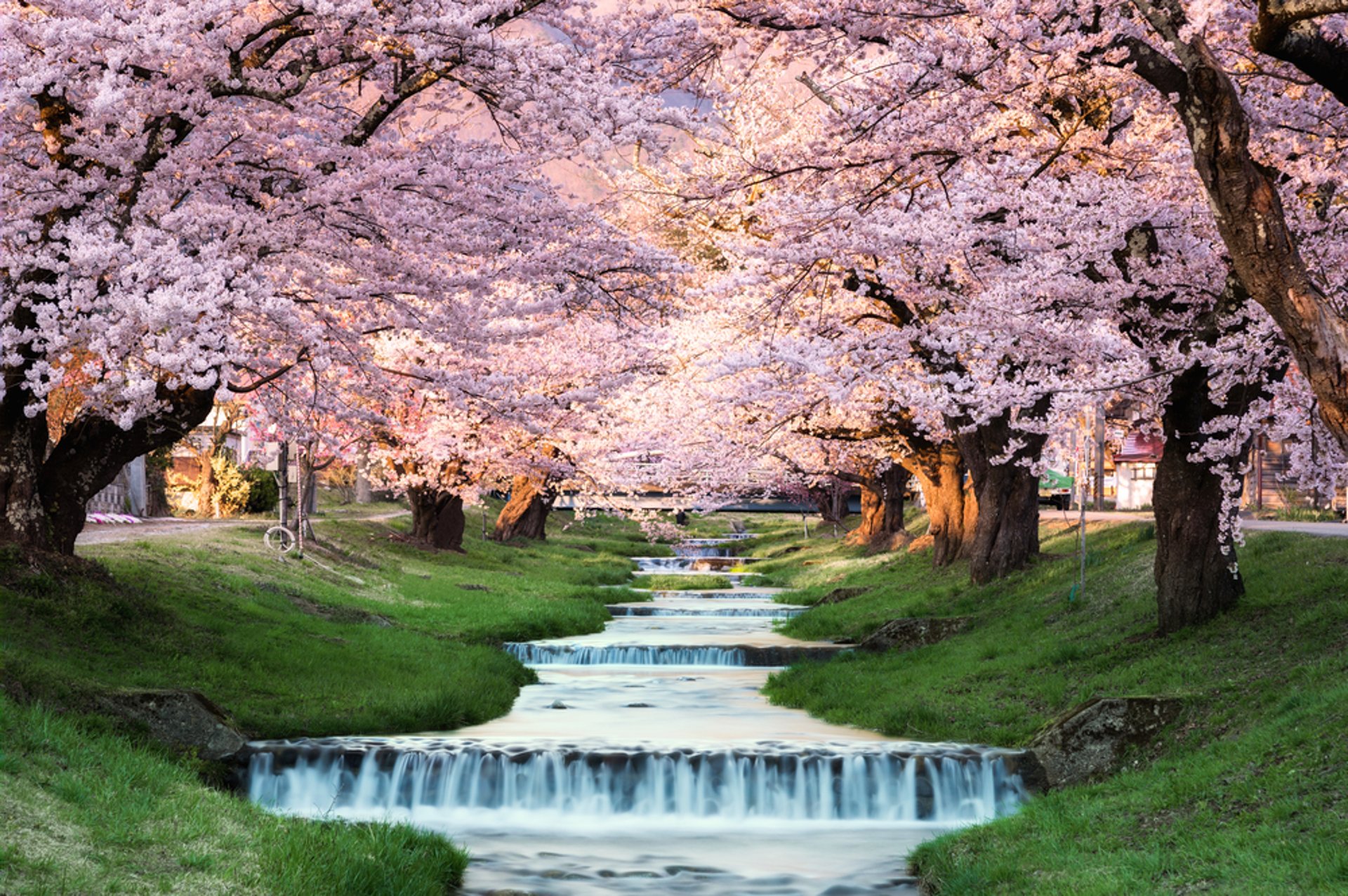
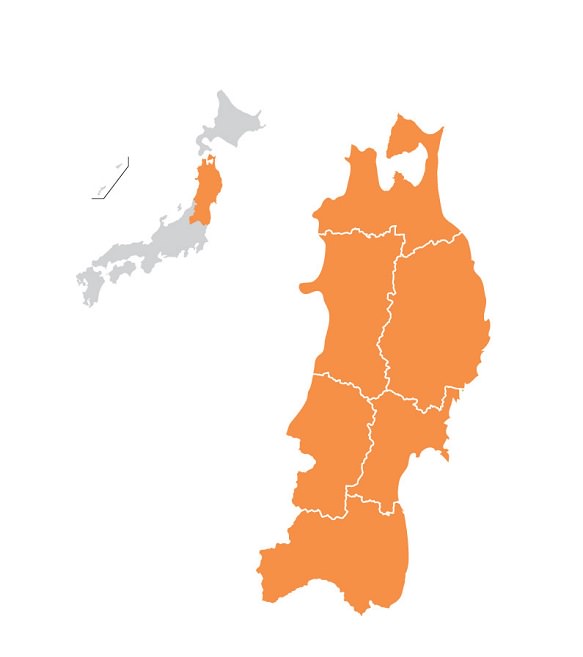
Tohoku, Japan’s northernmost main island region, is a land of dramatic mountains, pristine rivers, rugged coastlines, and rich cultural heritage. Known for seasonal beauty, historic towns, traditional festivals, and hot springs, Tohoku offers travelers a peaceful, authentic experience away from the crowds. From cherry blossoms and autumn foliage to snow-covered landscapes and untouched wilderness, Tohoku is ideal for nature lovers, culture seekers, and adventure travelers alike.
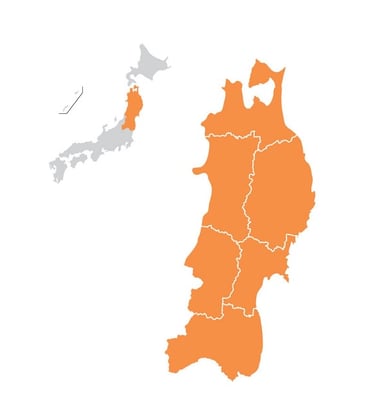
Akita
Aomori
Iwate
Miyagi
Yamagata
Areas of Tohoku
Aomori
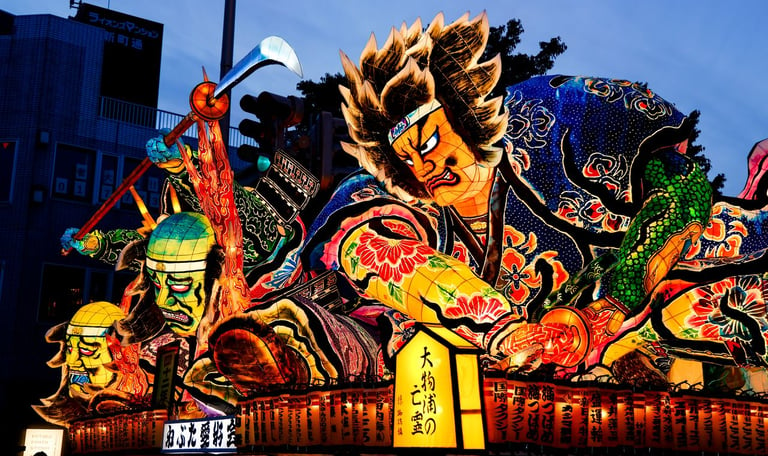
Aomori, at the northern tip of Honshu, is famous for the Nebuta Matsuri, a spectacular summer festival featuring illuminated floats. The region is renowned for apple production, hot springs, and coastal beauty along Mutsu Bay. Hirosaki Castle, surrounded by cherry blossoms in spring, is a must-visit, while the Shirakami-Sanchi mountains, a UNESCO World Heritage site, offer pristine forests and hiking opportunities.
Iwate
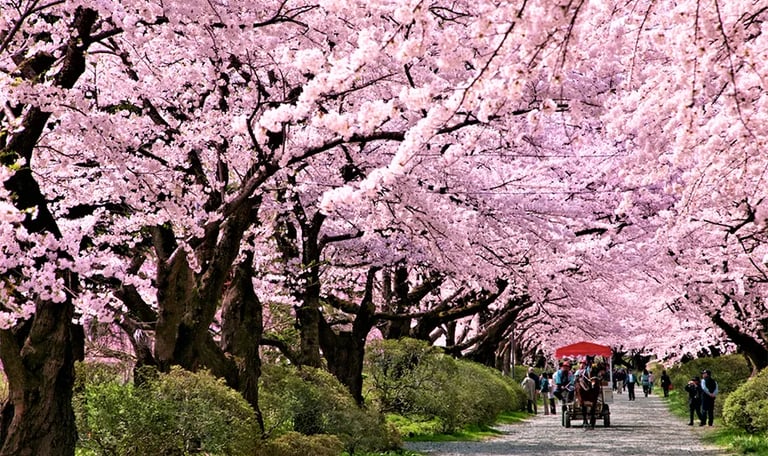
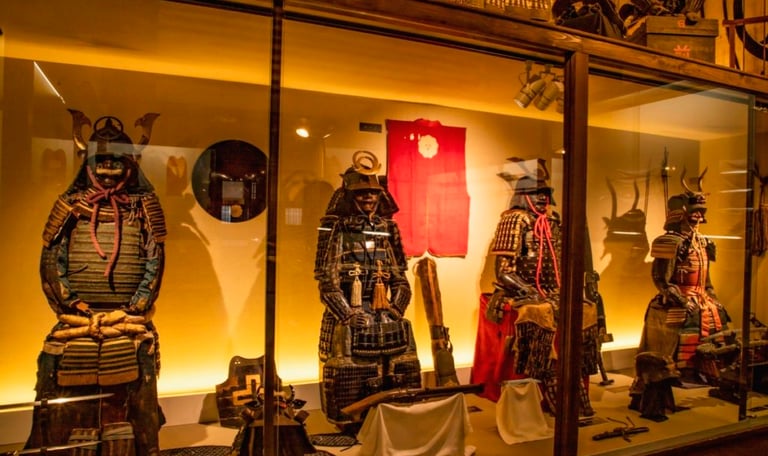
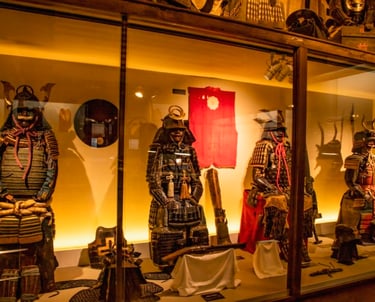
Iwate blends dramatic coastline with mountains and historic towns. Morioka, the prefectural capital, is known for its samurai heritage, historic temples, and vibrant local culture. The Kitakami Tenshochi area is famous for cherry blossoms, while Hiraizumi, a UNESCO World Heritage site, features historic temples such as Chuson-ji and Motsu-ji, reflecting the region’s rich Buddhist heritage. Coastal areas, including Rikuchu Kaigan National Park, feature rugged cliffs, hidden beaches, and picturesque fishing villages.
Miyagi
Miyagi’s capital, Sendai, is known as the “City of Trees,” famous for the Tanabata Festival in August. Matsushima Bay, with over 200 pine-covered islands, is regarded as one of Japan’s most scenic views. Yamadera, a temple perched on a mountainside, offers panoramic vistas and spiritual charm. Miyagi is also known for its fresh seafood, particularly oysters and scallops.
Akita
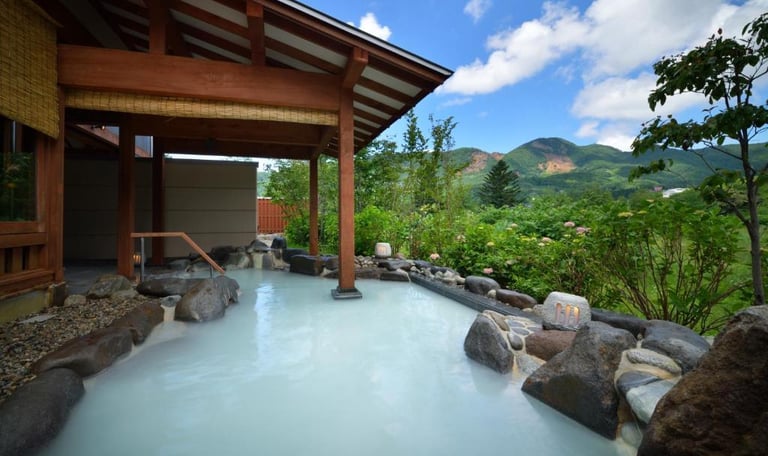
Akita offers scenic mountains, lakes, and the Namahage tradition — a ritual featuring demon-like figures visiting homes during New Year’s to ward off evil. Kakunodate, known as “Little Kyoto,” preserves samurai residences and historic streetscapes. Lake Tazawa and the Nyuto Onsen area provide tranquil retreats for nature lovers and onsen enthusiasts.
Yamagata
Yamagata is a region of mountains, hot springs, and cultural festivals. Yamadera Temple, perched on a mountainside, offers breathtaking views and a spiritual journey. The region is famous for cherries, soba, and Dewa Sanzan, three sacred mountains important in Shugendo mountain worship. Zao Onsen is known for its “ice monsters” — snow-laden trees in winter — providing unique winter scenery.
Fukushima
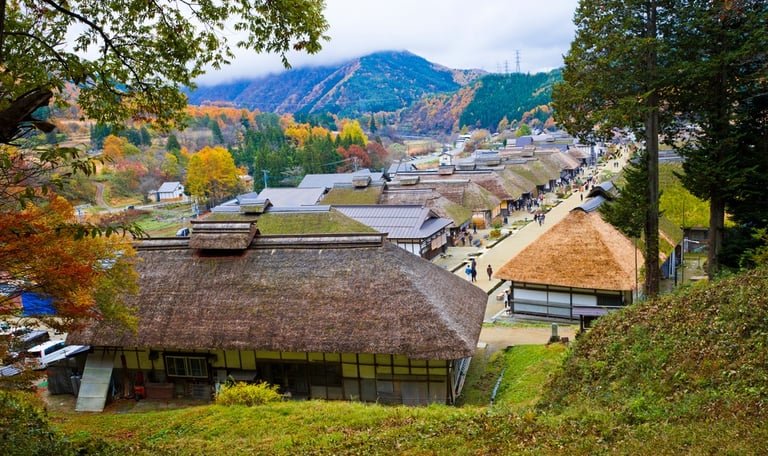
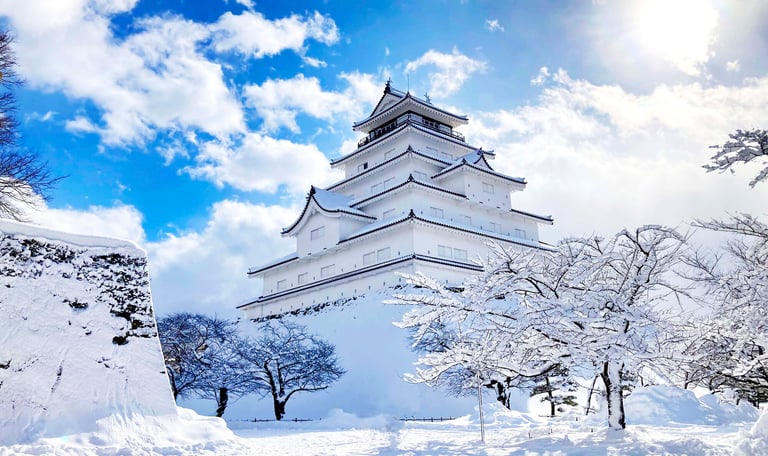
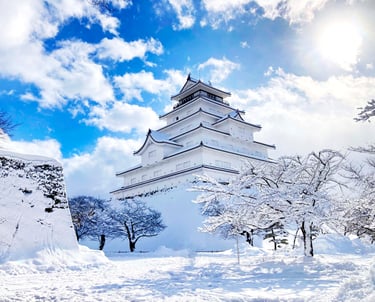
Fukushima combines mountains, lakes, and rich cultural heritage. The Aizu region, centered around Aizuwakamatsu, is famous for samurai history, Tsuruga Castle, traditional streets, and lacquerware crafts. Visitors can explore the preserved Edo-period post town of Ouchi-juku, wander historic samurai districts, and discover nearby natural caves and scenic spots ideal for hiking and photography. The region also offers hot springs, ski resorts, and the vast landscapes of Oze National Park. Seasonal festivals, such as the Soma Nomaoi horse festival, showcase ancient samurai traditions.
Highlights & Experiences in Tohoku
Witness illuminated floats at Aomori’s Nebuta Matsuri.
Explore historic temples in Hiraizumi, Iwate, a UNESCO World Heritage site.
Discover Morioka’s historic streets, samurai heritage, and local culture.
Visit Matsushima Bay and Yamadera Temple in Miyagi.
Experience the Namahage tradition in Akita.
Hike and enjoy hot springs in Zao Onsen, Yamagata.
Explore samurai heritage in Aizuwakamatsu, including Tsuruga Castle, Ouchi-juku, and surrounding caves in Fukushima.
Ski, hike, and enjoy seasonal festivals across mountains and coastlines.
Food & Drink
Tohoku’s cuisine emphasizes fresh, local ingredients from mountains, rivers, and coasts.
Aomori: apples, seafood, and local sake.
Iwate: wanko soba, river fish, and fresh produce.
Miyagi: oysters, scallops, beef, and seasonal vegetables.
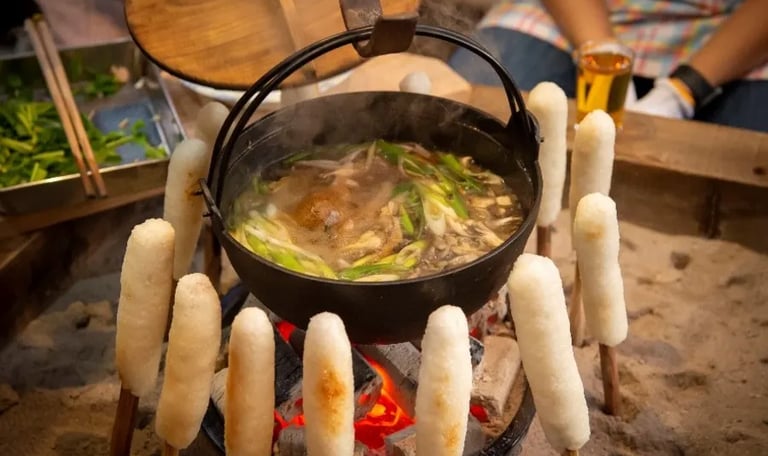
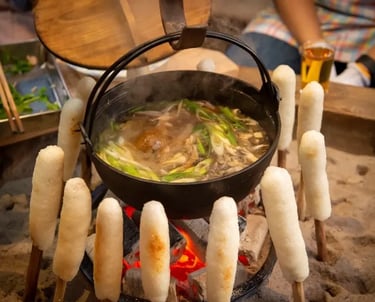
Akita: kiritanpo (rice sticks), sake, and freshwater fish.
Yamagata: cherries, soba, and mountain vegetables.
Fukushima: Fukushima beef, local fish, and regional sake.
Tohoku’s dishes are hearty, seasonal, and deeply tied to local traditions.
Why Visit Tohoku?
Tohoku offers a four-season adventure: cherry blossoms in spring, vibrant festivals in summer, colorful autumn foliage, and snow-covered mountains in winter. With UNESCO World Heritage temples, dramatic coastlines, hot springs, samurai towns, and rural charm, Tohoku delivers authentic Japanese experiences for nature lovers, cultural explorers, and those seeking tranquility and discovery.
Explore
Discover Japan's culture, beauty, and hidden gems.
Connect
Inquire
letsgo@gojapan.com.au

Go Japan provides travel consultancy services and connects clients with licensed Japanese travel operators.
DISCLAIMER:
PlEASE NOTE -